The summer of 1970 was the summer of the Grateful Dead. Talk about a busy group -- a mammoth American tour with New Riders of the Purple Sage, nightly concerts lasting until dawn, two studio albums, writing new material, a change of format.... you can tell I'm impressed. Although released several
months before American Beauty, the slab Workingman’s Dead is definitely in the
same vein, stylistically, but the records aren’t interchangeable.
Workingman’s Dead is darker than the successor, in both content and
production. The albums also had different producers. But together, they are the fraternal twins of the Dead’s americana period. As with American Beauty, the two characteristics that
stand out most are the lyrical contributions of Robert Hunter and the
band’s rich vocal harmonies, the latter influenced by a friendship with
Crosby, Stills, and Nash. Both are introduced on the side one opener, “Uncle
John’s Band,” which is an archetypal acoustic singalong affair, marked by a lighter touch from all involved and some uncanny vocal harmonies. Garcia’s work throughout the record is considerably more diverse than it was
later that year. He picks 5-string banjo for the careening “Cumberland
Blues” and his gritty licks on the Stratocaster take center stage for
“Easy Wind” and “New Speedway Boogie.” The country ballad “Dire Wolf” is
propelled by Garcia's masterful work on the pedal steel, and along with Bob
Weir, his acoustic guitar is everywhere. Pigpen does the tough album’s
toughest number, “Easy Wind,” before everything is drawn to a close with
the unforgettable “Casey Jones.” Damn! What a good record. As with other CD re-releases in the Dead's back catalog, it comes with bonus tracks that make entertaining filler, but are what I consider to be nonessential material that should have been placed on a second disc. Am I the only person who wants to preserve original continuity? When I hear that telltale sniff at the beginning of Casey, I want the record to end. It's the whole point, after all. But I don't let that bother me, and I listen anyway.

This sequel to the Dead’s
triple-live long player Europe ‘72 is another chapter in the GD saga, and another commercial release of treasured
vault material from a band with enough vault material to keep the CDs rolling out for at least another 50 years. If you’re not a bootleg collector, then this release (especially when taken after digesting the aforementioned predecessor) is a good
cross-section of the Dead’s set first overseas tour. While the sound
quality is excellent and the sequencing is even good, I prefer to
listen to the 'original' Europe '72 for reasons I feel hard pressed to explain.
Admittedly, I once had an embarrassingly large collection of Dead tapes
so none of this material is new on me. I guess over the years, so many vault releases down the road, I've moved on from the knee-jerk reaction of, "wow, this sounds great compared to my supposed 2nd gen copy!" When I turn on a CD like this, I just hear a good quality rip of some shows that I've long been familiar with on tapes. So please don't be put off by my lukewarm reception, because the Dead were always better in 1972 and this is no exception. In fact, if you're totally new to the Dead, then I recommend you start here because the tracks represent what they did best: country, blues, and mind bending instrumental psychedelia. You don’t have to be a
Deadhead to enjoy the record, either, it should appeal to a wide audience, at least a wide audience of classic rock listeners. None of these tracks appear on
the predecessor, and all of them are welcome additions to the document. Notably, a '72 “Dark Star”
finally sees the light of day. Gems from
the first the first disc showcase the band’s transition into the short-song format introduced in 1971, cuts that demonstrate the
band’s willingness to shed the ‘inaccessible’ label while proving that
they hadn’t lost their any of their improvisational prowess. Also
included are two Pigpen tunes, “Chinatown Shuffle” and “Next Time You
See Me,” as well as a handful of other live staples. Pig's numbers were always my favorites, and 1972 was his last tour. Before I get too nostalgic, take a look at that cover. See? Ice cream kid is back!

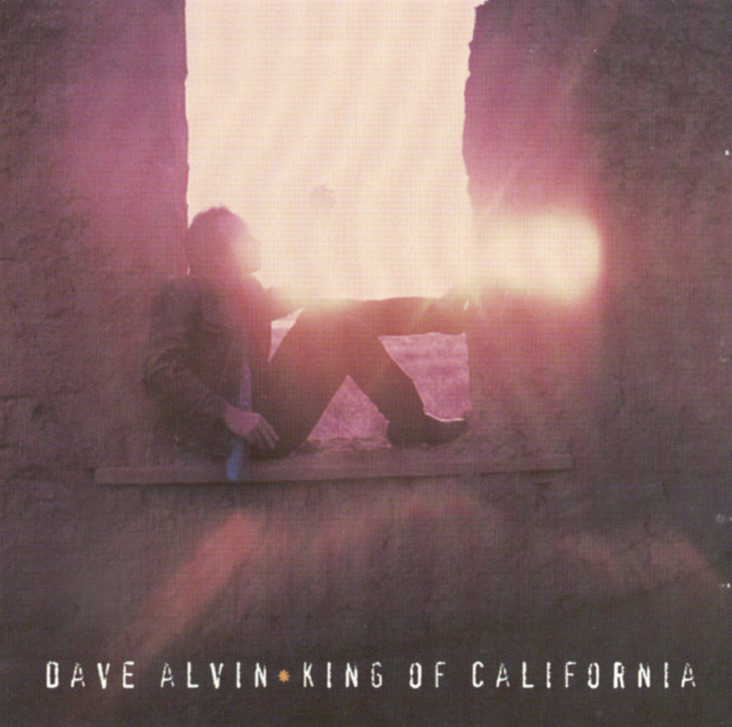
Dave Alvin was responsible for
the white hot guitar leads in The Blasters and true to those colors, he
often fronts a gloriously loud rock group. But the plaintive and comparatively subdued King of California proves his
versatility. It’s another installment of the lock-and-stock brand of Americana that he does so well,
although here he is supported by a smaller, more intimate band. Session man extraordinaire Greg
Leisz does really sweet accompaniment on a variety of guitars which lend
the album much tonal color and ear candy. Alvin’s own nicotine-tarred vocals
(a far cry from brother Phil's moon-mad roadhouse howl) and six-string instrumental
abilities are also noteworthy. But it’s Alvin's mature songwriting that
brings it all together. The songs spin meandering, desperado yarns that
are equal parts honky tonk, Delta blues, and rock and roll. They touch on universal themes in poetic ways and unfold like novels. "Fourth of July" has a heartsick narrative of two lovers in trouble with their relationship and a musical accompaniment that buoys your hope for them as much as they seem uncertain about their own future. We've all been there, the feeling is plain to see, yet Alvin paints the picture so perfectly that I want to jump up and scream, 'Yes! That's it, he nailed it!' It’s such a
convincing act that I’m hard pressed to believe Alvin is from
California, and not Texas. There's more in store, too. “Little Honey” was written with John Doe, as
if any name dropping is needed. To keep you
guessing, the duets “Goodbye Again” with wonderful Rosie Flores and “What Am I
Worth” with Syd Straw provide additional variety and justify a cursory inspection of the record, should you not get along with the rest. After finishing this album, and several repeat listens, I found myself fevered to lay hands on all the Dave Alvin material I could find. So beware, late night shoppers, it's addictive!